A new survey by Apex Intelligence and Innovation Insights provides a comprehensive understanding of NPP National delegates demographics, perceptions, and voting behavior in the General Secretary race. The survey effectively highlight patterns, trends, and key insights across multiple dimensions.
1. Demographic Distribution
Education Profile
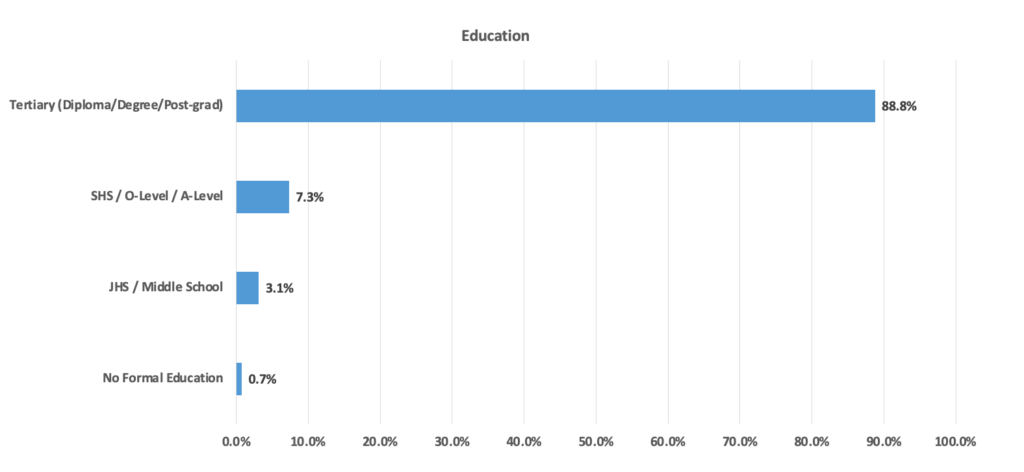
The education distribution of delegates shows a highly educated respondent base, with approximately 88.8% having tertiary education, while only a marginal proportion falls within lower education levels. This indicates that the survey responses are largely informed by individuals with higher levels of academic exposure, suggesting a well-informed and analytical voting population.
Figure 1: Education Profile
Age Distribution
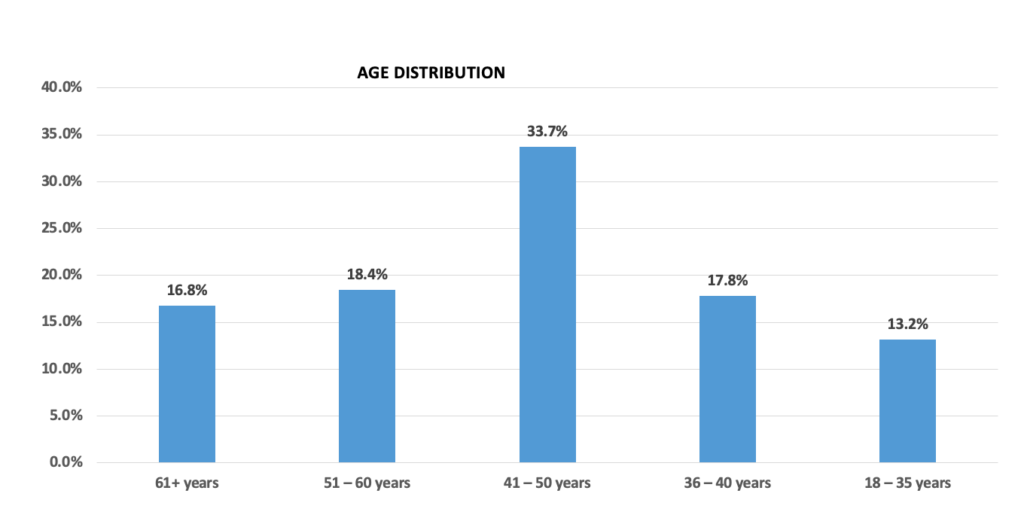
The age distribution of NPP National delegates is relatively balanced but slightly skewed towards middle-aged respondents. The largest segment falls within the 41–50 age group (33.7%), followed by fairly even representation across other age brackets. This suggests that decision-making influence is concentrated among experienced and mature party members, rather than younger delegates.
Figure 2: Age Distribution
Religious Composition
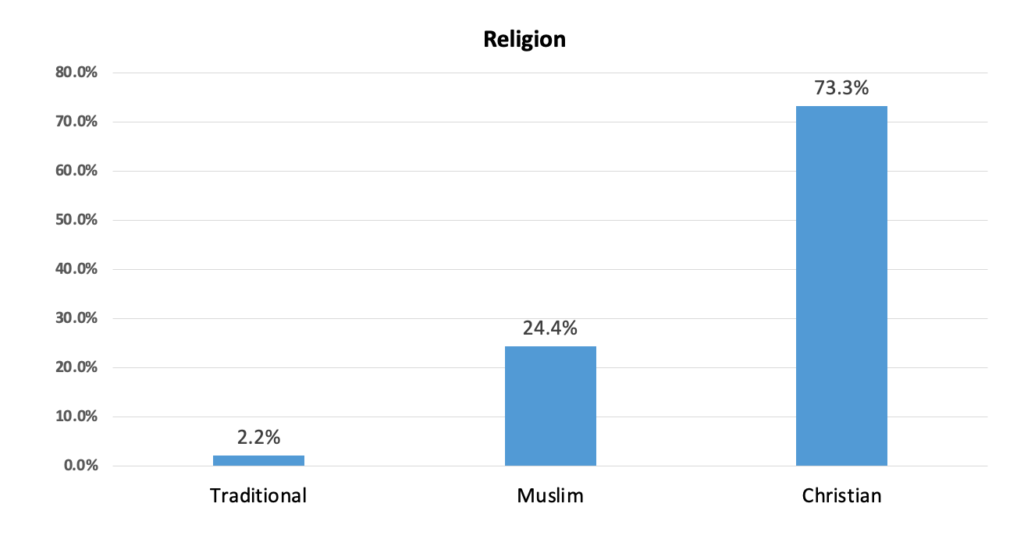
The religion distribution of delegates indicates a dominantly Christian population (73.3%), followed by Muslims (24.4%) and a very small percentage of traditional believers (2.2%). This reflects the broader national religious composition and provides context for understanding voting patterns influenced by religious demographics.
Figure 3: Religious Composition
2. Performance Perception Of National Executives
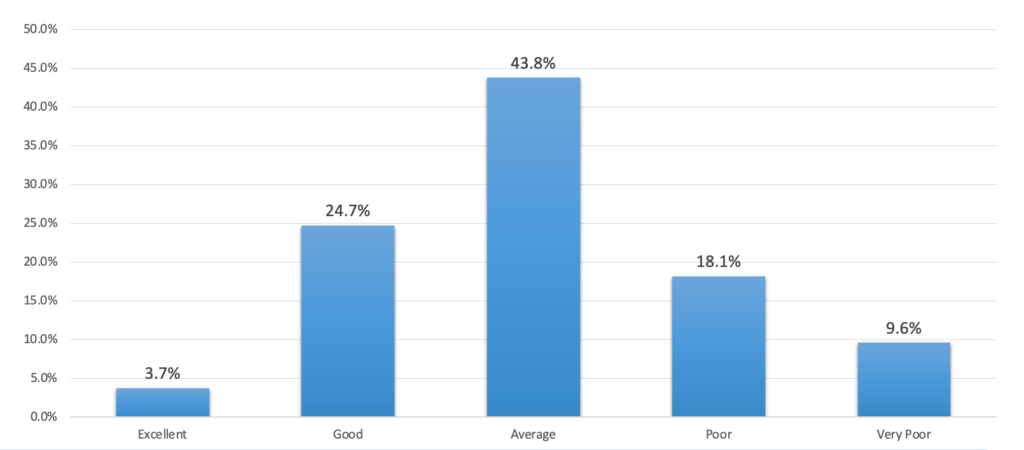
The survey findings on the performance of the current elected National Executives reveal a mixed but insightful sentiment among respondents. Majority of respondents, representing 43.8%, rated the performance as average, indicating a general sense of neutrality rather than strong approval or disapproval. Additionally, 24.7% of respondents viewed the performance as good, suggesting that a notable segment of the electorate acknowledges some level of effectiveness. However, a combined 27.7% of respondents rated performance as poor or very poor, highlighting a significant level of dissatisfaction within the ranks.
Overall, these results point to a moderate level of satisfaction that falls short of strong endorsement, suggesting that while the current leadership is not broadly rejected, it has not fully inspired confidence either. For management and stakeholders, this creates a strategic opening for reform-driven narratives and positions the environment as one where voters may be receptive to new leadership that can present a more compelling vision, stronger performance, and renewed direction.
Figure 4: Performance Perception Of National Executives
3. General Secretary Race Preference
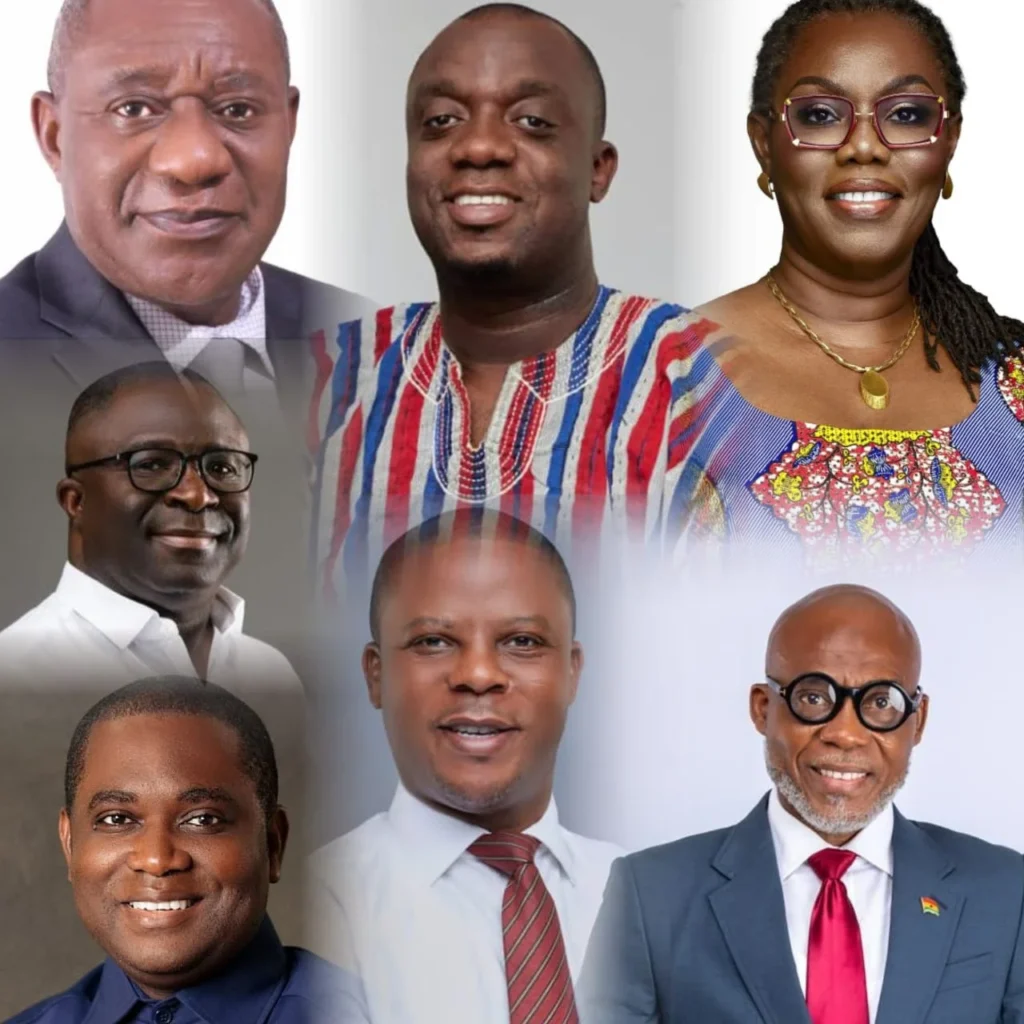
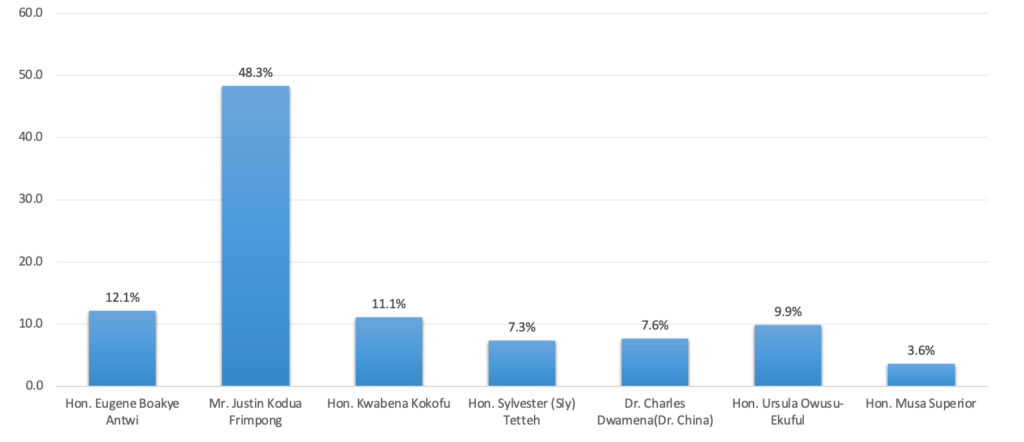
The survey results on candidate preference present a clear and decisive picture of the current dynamics in the race. Mr. Justin Kodua Frimpong emerges as the dominant front-runner, commanding a significant 48.3% of respondent support—well ahead of all other contenders. The closest challenger, Hon. Eugene Boakye Antwi, trails distantly at 12.1%, followed by Hon. Kwabena Kokofu (11.1%), Hon. Ursula Owusu-Ekuful (9.9%), Dr. Charles Dwamena (Dr. China) (7.6%), Hon. Sylvester (Sly) Tetteh (7.3%), and Hon. Musa Superior (3.6%). The remaining candidates each hold relatively small and fragmented portions of the vote, with none exceeding 15%.
This distribution of support suggests a race that is largely one-sided, with a clear consolidation of voter preference around a single candidate. The significant gap between the front-runner and the rest of the aspirants indicate a strong probability of victory for Mr. Kodua if current trends persist. At the same time, the opposition remains highly divided, with no unified challenger capable of mounting a competitive threat. From a strategic standpoint, this fragmentation weakens the ability of other candidates to shift momentum, unless there is a major realignment, coalition-building, or change in voter sentiment in the final stages of the race.
Figure 5: General Secretary Race Preference
4. Key Attributes Influencing Voters
The attribute analysis highlights the most important factors influencing Delegates choice:
Table 1: Key Attributes Influencing Voters
| Attribute | % Importance |
| Strategic Planning | 24.1% |
| Effective Communication | 22.2% |
| Loyalty & Sacrifice | 21.1% |
| Administrative Excellence | 20.7% |
| Technocratic Skills | 11.9% |
The analysis of key attributes influencing delegates’ choice reveals a strong emphasis on leadership quality and effectiveness. Among the factors assessed, strategic planning ranks highest at 24.1%, followed closely by effective communication (22.2%), loyalty and sacrifice (21.1%), and administrative excellence (20.7%), while technocratic or modernization skills trail at 11.9%. This distribution highlights that delegates are primarily focused on candidates who demonstrate the ability to lead, think strategically, communicate clearly, and manage effectively.
The pattern suggests that voters are placing greater value on practical leadership competence and proven capability rather than purely technical or academic expertise. In essence, the race is being shaped less by ideological alignment or technical credentials and more by the perception of who can deliver results, inspire confidence, and provide direction. For candidates, this underscores the importance of positioning themselves as well-rounded leaders with strong strategic and communication abilities, as these are the qualities most likely to resonate with the electorate.
5. Attribute Association By Candidate
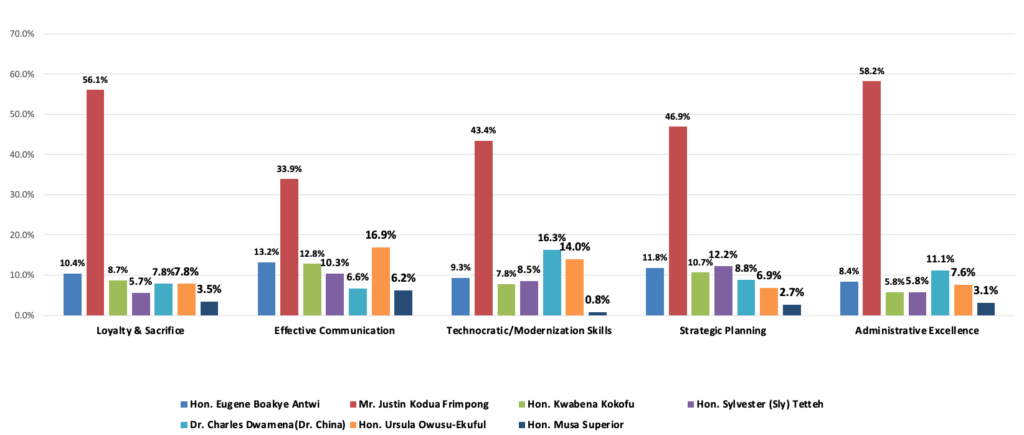
The graphical comparison of candidates against key leadership attributes reveals a clear and compelling pattern in both perception and competitive positioning within the race. Mr. Justin Kodua Frimpong stands out prominently, leading across nearly all major attributes—particularly in administrative excellence (58.2%), loyalty and sacrifice (56.1%), strategic planning (46.9%), and technocratic/modernization skills (43.4%)—demonstrating a well-rounded and dominant leadership profile. This broad-based strength suggests that he is not only popular but also widely perceived as the most competent across the qualities delegates value most.
In contrast, other candidates exhibit more fragmented and attribute-specific strengths. For instance, Hon. Ursula Owusu-Ekuful shows relative strength in effective communication (16.9%) and technocratic skills (14.0%), while Dr. Charles Dwamena (Dr. China) performs comparatively better in technocratic skills (16.3%). Hon. Eugene Boakye Antwi and Hon. Kwabena Kokofu demonstrate moderate performance across some attributes but do not dominate in any single category. Meanwhile, candidates like Hon. Sylvester (Sly) Tetteh and Hon. Musa Superior record generally lower scores across most attributes, indicating limited competitive traction.
Overall, the chart underscores a critical insight: the race is being shaped by multidimensional leadership perception rather than isolated strengths. Delegates appear to favor candidates who combine strategic thinking, communication, loyalty, and administrative capability into a cohesive leadership profile. This explains the clear advantage of the leading candidate, whose consistent performance across all key attributes positions him as the most complete and credible choice. For other contenders, the path to competitiveness would likely require not just improving visibility, but also broadening their perceived strengths across multiple leadership dimensions.
Figure 6: Attribute Association By Candidate
6. Religion-Based Voting Patterns
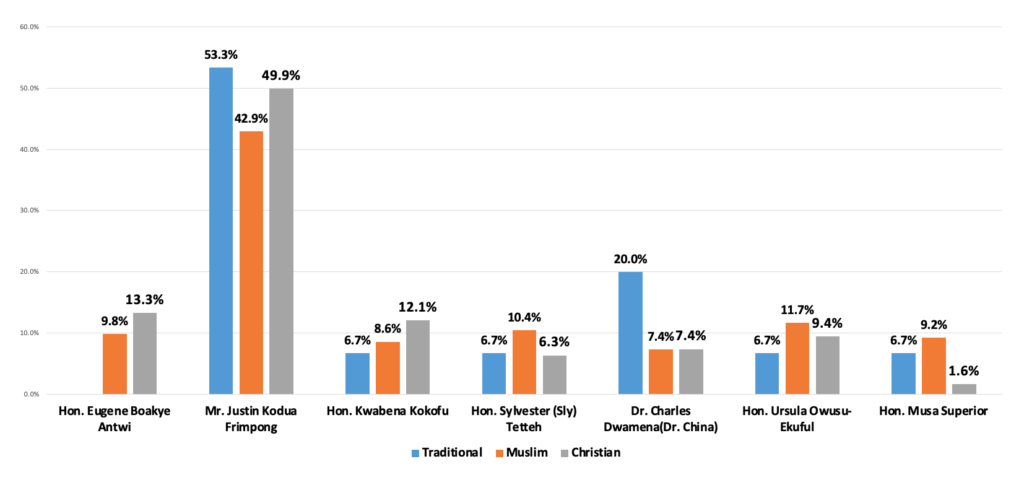
The graphical analysis of religion and candidate preference reveals a largely non-polarized voting pattern across religious groups, with one candidate demonstrating broad and consistent appeal. Mr. Justin Kodua Frimpong emerges as the dominant figure across all three religious categories—Traditional (53.3%), Christian (49.9%), and Muslim (42.9%)—indicating a strong cross-religious acceptance and national appeal. This widespread support suggests that his candidacy resonates beyond identity lines, reinforcing the perception that voters are prioritizing leadership qualities over religious affiliation.
In contrast, other candidates show more fragmented and limited support bases across the religious spectrum. For instance, Hon. Eugene Boakye Antwi performs modestly among Muslims (9.8%) and Christians (13.3%), while Hon. Kwabena Kokofu and Hon. Sylvester (Sly) Tetteh maintain relatively balanced but lower support levels across all groups. Dr. Charles Dwamena (Dr. China) stands out slightly among Traditional respondents (20.0%) but does not replicate this strength among Christians and Muslims. Similarly, Hon. Ursula Owusu-Ekuful records moderate support among Muslims (11.7%) and Christians (9.4%), while Hon. Musa Superior shows limited traction overall, particularly among Christians (1.6%).
Overall, the result provides a key insight: religion is not a major dividing factor in this race. Instead, voter preference appears to be driven more by perceptions of competence, leadership, and credibility. The ability of the leading candidate to command significant support across all religious groups places him in a strategically advantageous position, while other candidates may need to broaden their appeal beyond niche or segmented support bases to remain competitive.
Figure 7: Religion-Based Voting Patterns
7. Age-Based Voting Patterns
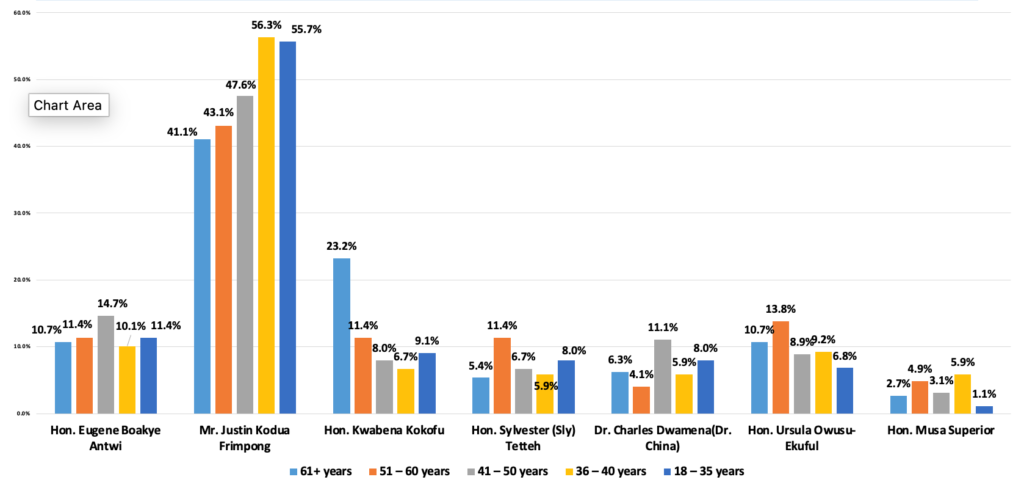
The graph reveals a pronounced generational divide in candidate support, with age being a critical factor in voter preference. Mr. Justin Kodua Frimpong emerges as the dominant figure among older demographics, securing an outright majority with 56.3% of the vote among those aged 61 and above, and maintaining strong leads in the 51-60 (47.6%) and 36-40 (55.7%) brackets. However, his appeal sharply declines with younger voters, capturing only 23.2% of the 18-35 age group—his sole demographic without a plurality. In contrast, Hon. Eugene Boakye Antwi exhibits the most consistent cross-generational appeal, securing between 10.1% and 14.7% across all age groups, and notably ties for second place among the youngest voters. A distinct pattern emerges for candidates like Hon. Ursula Owusu-Ekuful and Hon. Kwabena Kokofu, whose support steadily increases with age, suggesting their platforms resonate more strongly with older, likely more established electorates. Conversely, the minimal support for figures like Hon. Musa Superior and Dr. Charles Dwamena across all ages indicates a significant struggle to establish a broad base. This data suggests that while Mr. Frimpong’s campaign is heavily reliant on mobilizing older voters, his vulnerability with the youth demographic—where no single candidate holds a commanding lead—presents a strategic opening for competitors to consolidate the young adult vote, which remains highly fragmented.
Figure 8: Age-Based Voting Patterns
8. Conclusion
The analysis collectively point to a highly structured and predictable electoral outcome, characterized by a dominant candidate with broad-based support across all key metrics. The data suggests that unless there is a significant shift in voter sentiment or strategic alliances among competitors, the leading candidate is strongly positioned to secure victory. For stakeholders, this analysis underscores the importance of focusing on competence, national appeal, and strategic messaging in influencing electoral outcomes.
| Survey note: Fieldwork ran from March 11 to March 22, 2026, using a stratified random sample of 871 NPP delegates across the 16 regions, with a 95 per cent confidence level and a margin of error of ±4.0 per cent. |